

Get proper sleep at night.
Avoid late-night junk food.
Practice yoga or meditation.
Don’t skip breakfast in the morning.
📌 [Ad Space: Before Conclusion]
Good Sleep for Good Health
Get the Rest You Need
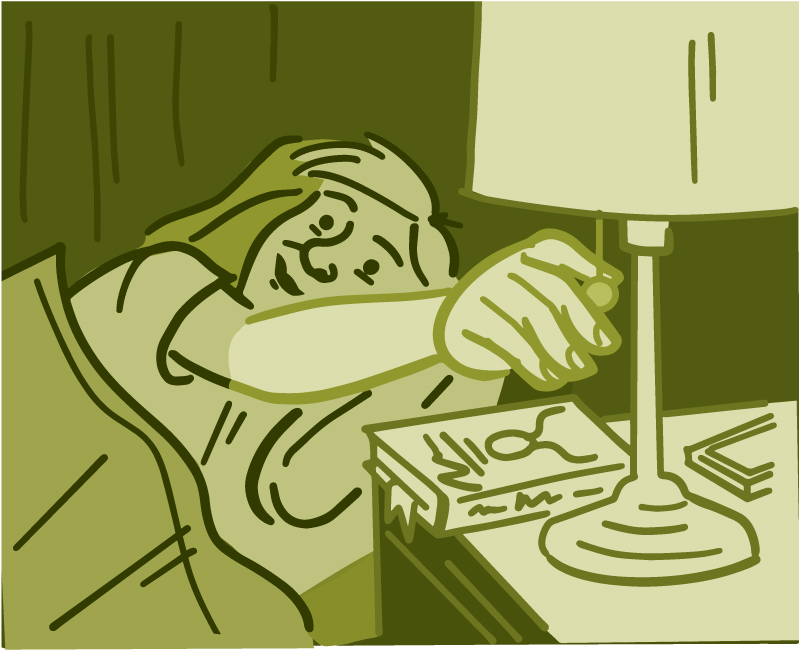
Sometimes, the pace of modern life barely gives you time to stop and rest. It can make getting a good night’s sleep on a regular basis seem like a dream.
But sleep is as important for good health as diet and exercise. Good sleep improves your brain performance, mood, and health.
Not getting enough quality sleep regularly raises the risk of many diseases and disorders. These range from heart disease and stroke to obesity and dementia.
There’s more to good sleep than just the hours spent in bed, says Dr. Marishka Brown, a sleep expert at NIH. “Healthy sleep encompasses three major things,” she explains. “One is how much sleep you get. Another is sleep quality—that you get uninterrupted and refreshing sleep. The last is a consistent sleep schedule.”
People who work the night shift or irregular schedules may find getting quality sleep extra challenging. And times of great stress—like the current pandemic—can disrupt our normal sleep routines. But there are many things you can do to improve your sleep.
Sleep for Repair
Why do we need to sleep? People often think that sleep is just “down time,” when a tired brain gets to rest, says Dr. Maiken Nedergaard, who studies sleep at the University of Rochester.
“But that’s wrong,” she says. While you sleep, your brain is working. For example, sleep helps prepare your brain to learn, remember, and create.
Nedergaard and her colleagues discovered that the brain has a drainage system that removes toxins during sleep.
“When we sleep, the brain totally changes function,” she explains. “It becomes almost like a kidney, removing waste from the system.”
Her team found in mice that the drainage system removes some of the proteins linked with Alzheimer’s disease. These toxins were removed twice as fast from the brain during sleep.
Everything from blood vessels to the immune system uses sleep as a time for repair, says Dr. Kenneth Wright, Jr., a sleep researcher at the University of Colorado.
“There are certain repair processes that occur in the body mostly, or most effectively, during sleep,” he explains. “If you don’t get enough sleep, those processes are going to be disturbed.”
Sleep Myths and Truths
How much sleep you need changes with age. Experts recommend school-age children get at least nine hours a night and teens get between eight and 10. Most adults need at least seven hours or more of sleep each night.
There are many misunderstandings about sleep. One is that adults need less sleep as they get older. This isn’t true. Older adults still need the same amount. But sleep quality can get worse as you age. Older adults are also more likely to take medications that interfere with sleep.
Another sleep myth is that you can “catch up” on your days off. Researchers are finding that this largely isn’t the case.
“If you have one bad night’s sleep and take a nap, or sleep longer the next night, that can benefit you,” says Wright. “But if you have a week’s worth of getting too little sleep, the weekend isn’t sufficient for you to catch up. That’s not a healthy behavior.”

0 Comments